
Indore Conducts Its First Food Safety & Hygiene Training Workshop: A Major Step Toward Community Health Protection
A Major Step Toward Community Health Protection
Indore, Nov 17
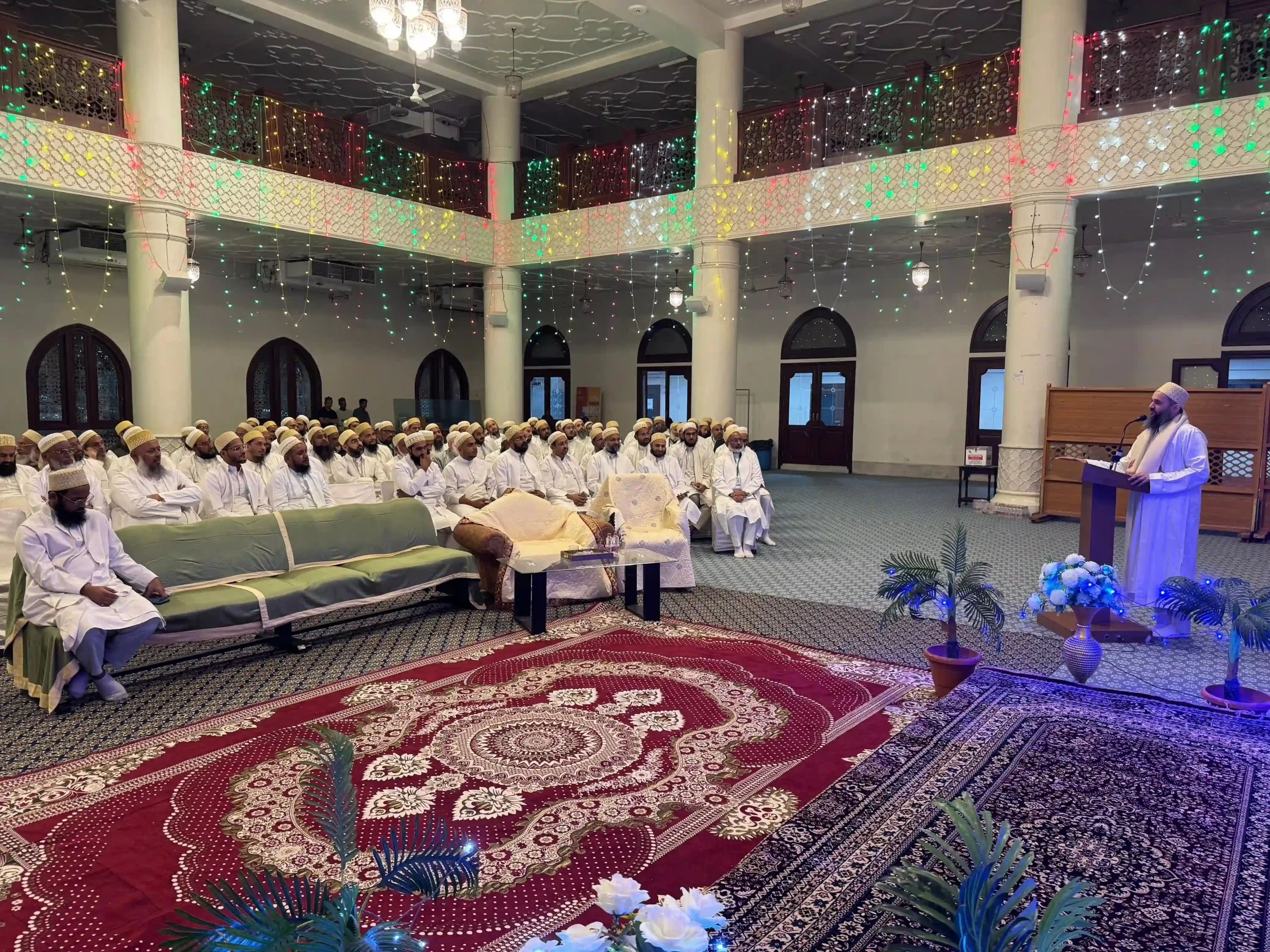
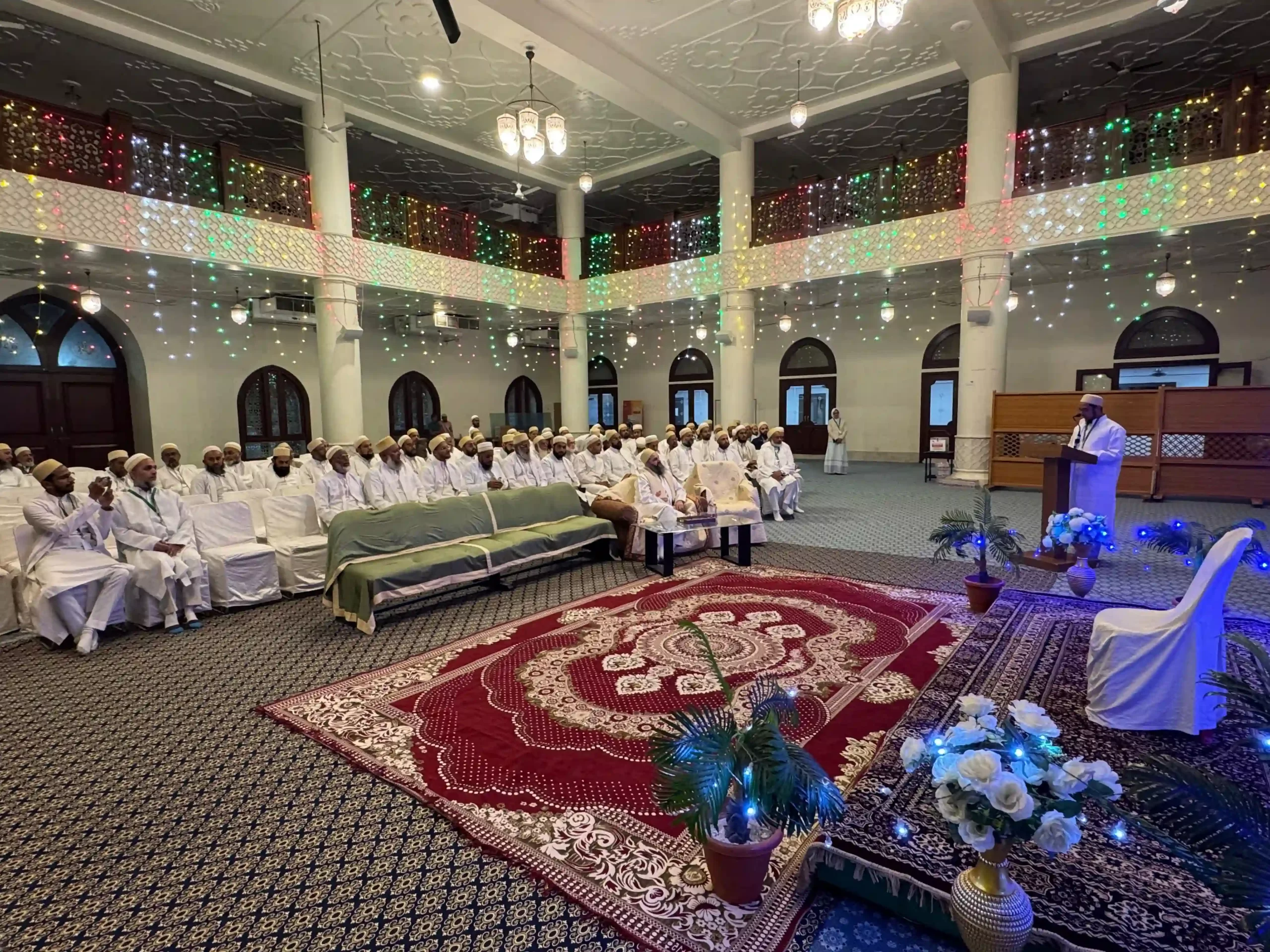
In a landmark initiative aimed at strengthening community health and ensuring the highest standards of food cleanliness, the first-ever Food Safety & Hygiene Awareness and Training Workshop was successfully held in Indore.
Organized jointly by the Indore Food Safety & Hygiene Team and Faiz ul Mawaid al Burhaniyah (FMB), the workshop marked a significant milestone in community welfare and food safety education.
The event brought together all major groups involved in food preparation and distribution, including:
-
Food handlers
-
Serving teams
-
Chefs
-
Mawaid and FMB management
-
Thali distributors
-
Najafat teams
-
Umoor Sehat medical staff
The objective was clear: to create awareness, build responsibility, and train every individual in best practices that protect the health of thousands who rely on community food services.
A Spiritually Enriched Beginning
The workshop commenced with the recitation of Qur’an Majeed, followed by Matami Noha and a reading of Moula’s Noorani Kalemat, which emphasize the importance of purity, hygiene, and care in all aspects of food service.
This spiritual opening set a tone of sincerity, dedication, and responsibility for the entire program.
Guidance Under Respected Leadership
The program was held under the Sadarat of Shabbir Bhai Saheb Husami (DM), whose guidance and presence elevated the significance of the event.
His continued emphasis on discipline, cleanliness, and adherence to Moula’s teachings gave the workshop both direction and purpose.
Expert Sessions Provide Practical Guidance
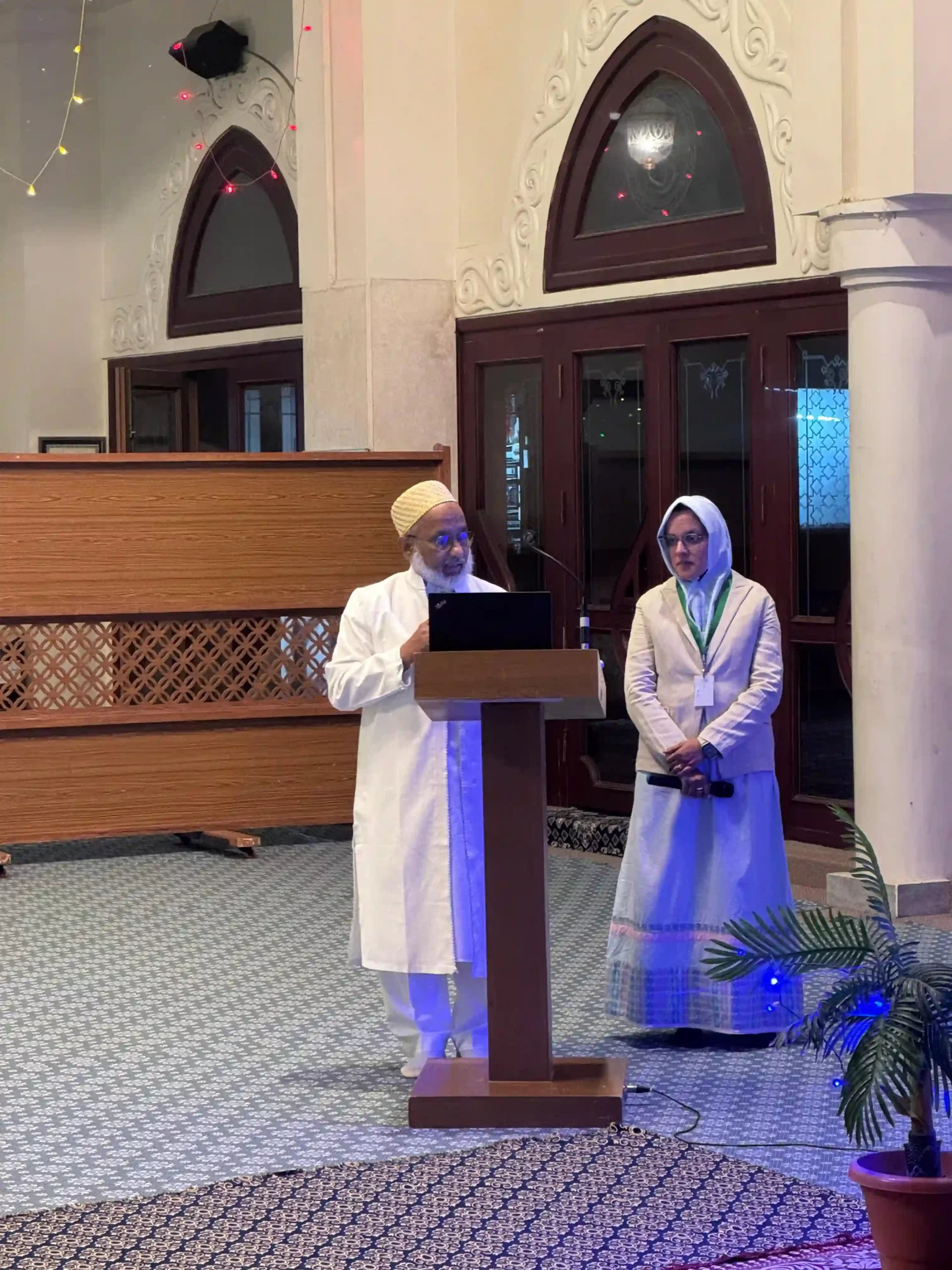
Detailed training sessions were delivered by Dr. Fazal Barwaniwala and Arwa Ben Natali, covering essential food safety topics such as:
-
Proper hand hygiene
-
Safe food handling and storage
-
Prevention of cross-contamination
-
Importance of PPE (gloves, masks, aprons, caps)
-
Cleanliness of utensils, cooking areas, and serving stations
-
Temperature control for cooked and raw foods
-
Personal hygiene standards for food handlers and serving teams
These sessions were designed to be simple, practical, and directly relevant to daily operations in community kitchens.
From the FMB side, Murtuza Bhai Millwala addressed the participants, reaffirming the organization’s commitment to implementing Food Safety & Hygiene (FSH) guidelines across all departments.
He stressed the importance of unity, coordination, and strict monitoring to maintain excellence in service.
Interactive Learning Through Skit
A short educational skit was performed by team members to demonstrate real-life mistakes commonly made during food handling and how these can be avoided through proper practices.
This interactive learning method proved highly effective, as participants could visually understand the do’s and don’ts of hygiene practices.
Honouring Dedicated Individuals
To encourage and acknowledge consistent efforts, 10 Appreciation Certificates were awarded to group heads who have shown exceptional dedication in maintaining FSH norms within their respective teams.
This recognition served as motivation for volunteers to continue their khidmat with sincerity and attention to detail.
A Strong Conclusion with a Powerful Message
In his concluding remarks, Shabbir Bhai Saheb (DM) delivered an inspiring and impactful address.
He highlighted Moula’s farman on adopting and maintaining hygienic practices and reminded everyone that food-related khidmat requires the utmost purity, discipline, and care.
He emphasized that even the smallest negligence in hygiene can lead to serious health consequences.
He urged all teams to implement every instruction shared during the workshop and to cultivate a culture where food safety becomes a daily habit.
A Model Workshop for All Cities
As the first-ever Food Safety & Hygiene training workshop in Indore, this initiative has set an important benchmark for other cities.
Organizers emphasized the importance of conducting similar workshops regularly in every Jamaat, community kitchen, and institutional setup to educate:
-
Food handlers
-
Chefs and cooking staff
-
Serving teams
-
Volunteers
-
Management teams
With food-borne illnesses rising globally, such training programs are essential for protecting community health and preventing contamination incidents.
Regular workshops help reinforce good practices and ensure that safe, hygienic, and high-quality food is served to all.
A Step Toward a Healthier Community
This workshop is expected to significantly improve operational standards and safety protocols in Indore.
The training not only benefits those who serve but also safeguards the health of thousands of community members.
By combining education, spirituality, and practical training, Indore has taken a major step toward building a healthier and more hygienic future.
Regards
Dr. Fazal Husain Barwaniwala